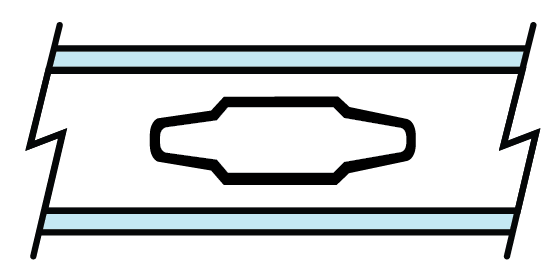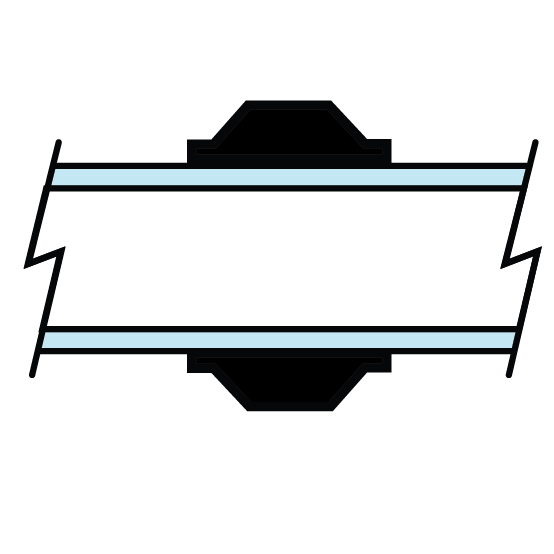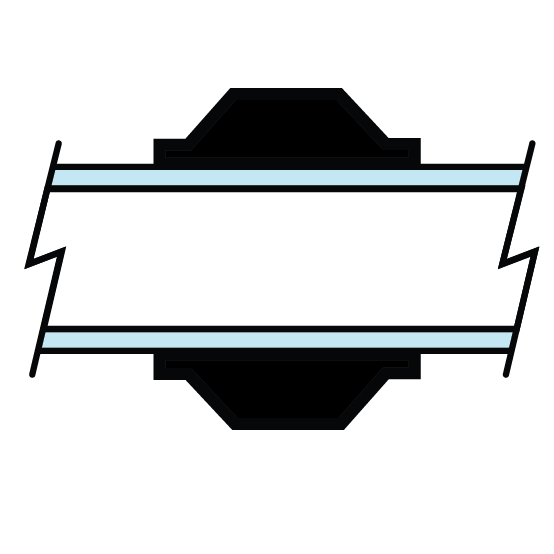
Casco Aluminum-Clad Casement Windows are side-hinged windows that open outward to provide full top-to-bottom ventilation, clean sightlines, and strong exterior protection. Casement windows are commonly used when a project needs clear glass views, strong airflow, secure operation, and design flexibility in a single operating window.

Built for ventilation and views. Casco casement windows open outward from the side to capture airflow, provide unobstructed glass area, and support stand-alone openings, picture-window combinations, transoms, bays, bows, and larger window layouts.
Casement Window Overview: Casement windows are often selected for rooms where ventilation, daylight, and clear sightlines are important. Casco casements can be used alone, paired with fixed units, grouped side by side, used in 30-degree or 45-degree bay windows, or used in 3-wide, 4-wide, and 5-wide bow window configurations.
Casement Window Highlights
Operation
Casco casement windows swing outward and are handed from the exterior. The side-hinged design allows the sash to open for full-height ventilation.
Views & Daylight
Casement windows provide a clean glass area without a meeting rail through the center of the sash, making them a strong option for larger views and natural light.
Configurations
Casement windows can be used as single units, mulled combinations, casement picture layouts, transom layouts, bay windows, and bow windows.
Review Product Details
Review casement construction, operation, standard features, optional features, sizing, and product notes.
See examples of casements used with picture windows, transoms, bays, bows, and other window units.
Review internal grilles, simulated divided lite grilles, removable wood grilles, and grille patterns.
Review casement hardware, exterior-viewed handing, operation notes, and available hardware colors.
Review exterior colors, Estate Colors, custom exterior colors, and interior prefinished wood colors.
Review glass packages, energy-code considerations, privacy glass, laminated glass, blinds-between-glass, and screen options.
Download the aluminum-clad guide, casement size chart, and casement picture size chart.
Review casement questions first, with shared aluminum-clad product information grouped near the bottom.
Project Fit
Casco casement windows are used for residential, light commercial, architect-specified, remodel, replacement, and new construction projects. They are also used in larger window layouts when a project needs both fixed glass area and operating ventilation.
Casement handing, unit size, glass package, grille pattern, hardware color, exterior color, interior finish, installation method, and project energy requirements should be reviewed before ordering.
For shared aluminum-clad product details such as extruded aluminum cladding, Cardinal glass package selection, laminated glass, specialty privacy glass, interior finish options, and energy-code review, see the related tabs and FAQ section.
Ready to get started on your project?
Connect with a local dealer or start a dealer inquiry for wholesale supply opportunities.
-
Casement Window Features
Casco Aluminum-Clad Casement Windows are side-hinged operating windows built for ventilation, clear glass views, secure operation, and durable exterior protection. This section focuses on the casement-specific construction, operating hardware, sizing, and available product options. Shared aluminum-clad details such as glass package selection, exterior cladding comparisons, laminated glass, CLiC privacy glass, blinds-between-glass, and project energy requirements are covered in the Glass & Screen and FAQ sections.
Review casement frame, sash, hardware, screen, nail fin, and NFRC certification details.
Review active casement and casement picture minimum and maximum size limits.
Review custom sizes, colors, grilles, glass selections, interior finish options, and installation accessories.
Jump to colors, glass, grilles, hardware, combinations, resources, and FAQ.
Feature Note: Casco casement windows swing outward and are handed from the exterior. Handing, unit size, glass package, grille pattern, hardware color, exterior color, interior finish, installation method, and project energy requirements should be reviewed before ordering.
Standard FeaturesFrame, Sash & Interior
- Heavy-duty extruded aluminum-clad exterior.
- Pine wood interior.
- Solid wood component construction with substantial profiles.
- Maximum amount of wood surface exposure to the interior of the home.
- Corner key sash supports for increased sash rigidity.
- 4-9/16" jamb depth.
- Position-lockable, fold-down vinyl nail fin for easy shipping and durable installation.
Operation, Hardware & Screen
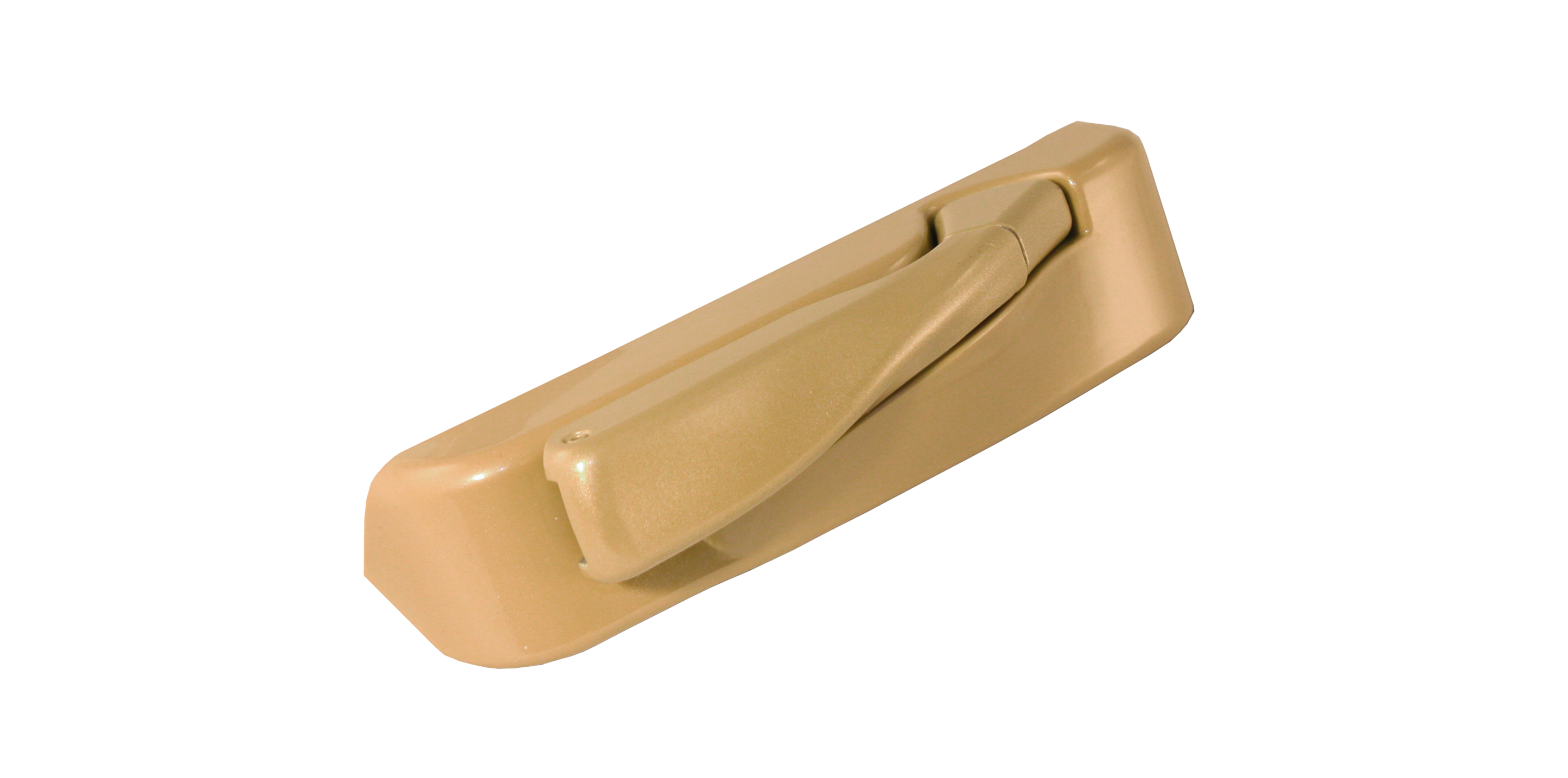
- AmesburyTruth fold-down crank handle.
- AmesburyTruth operator, multipoint lock, and adjustable sash hinges.
- Extruded snubber system that helps hold the hinge side of the sash into the frame for added support.
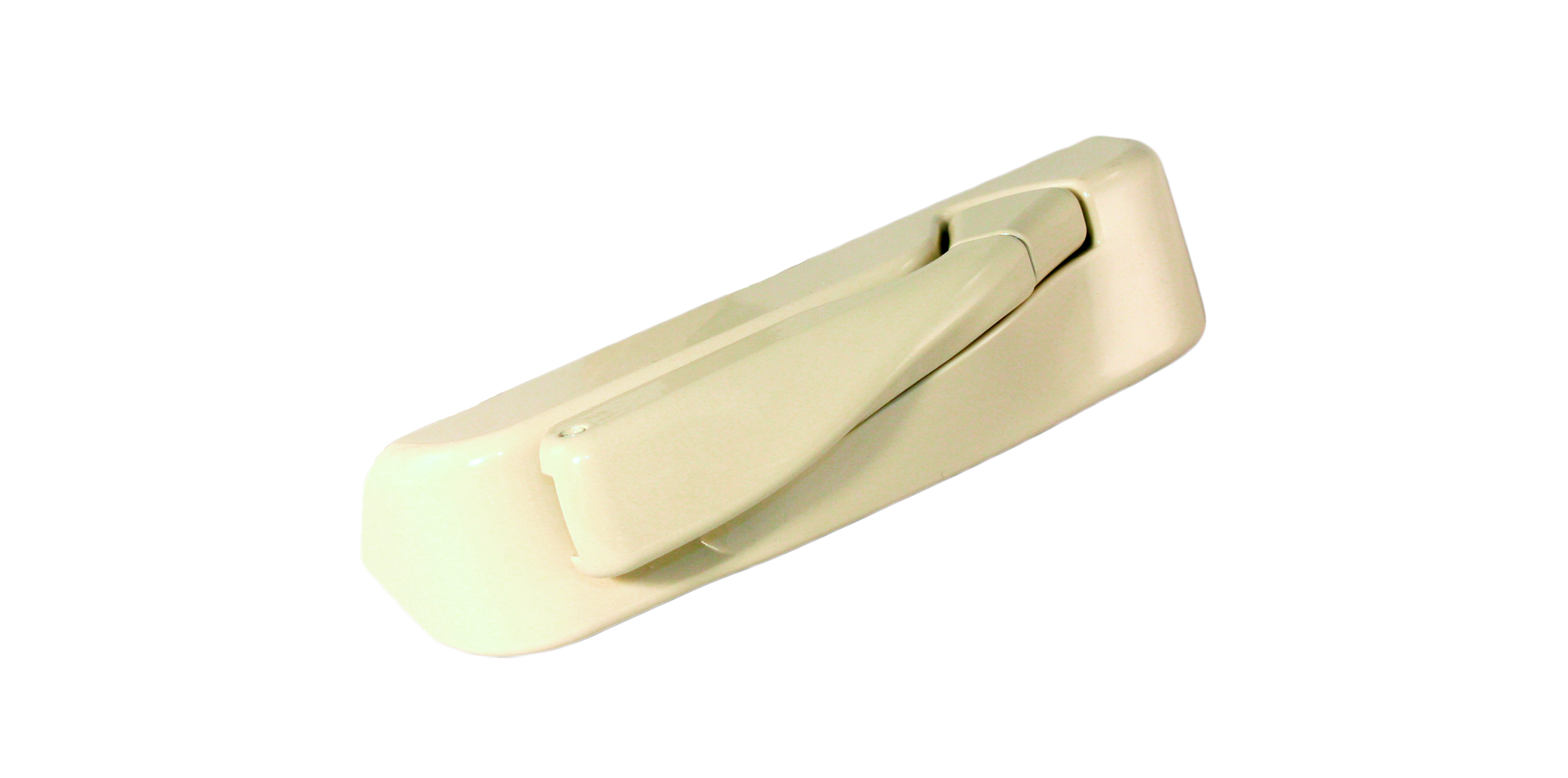
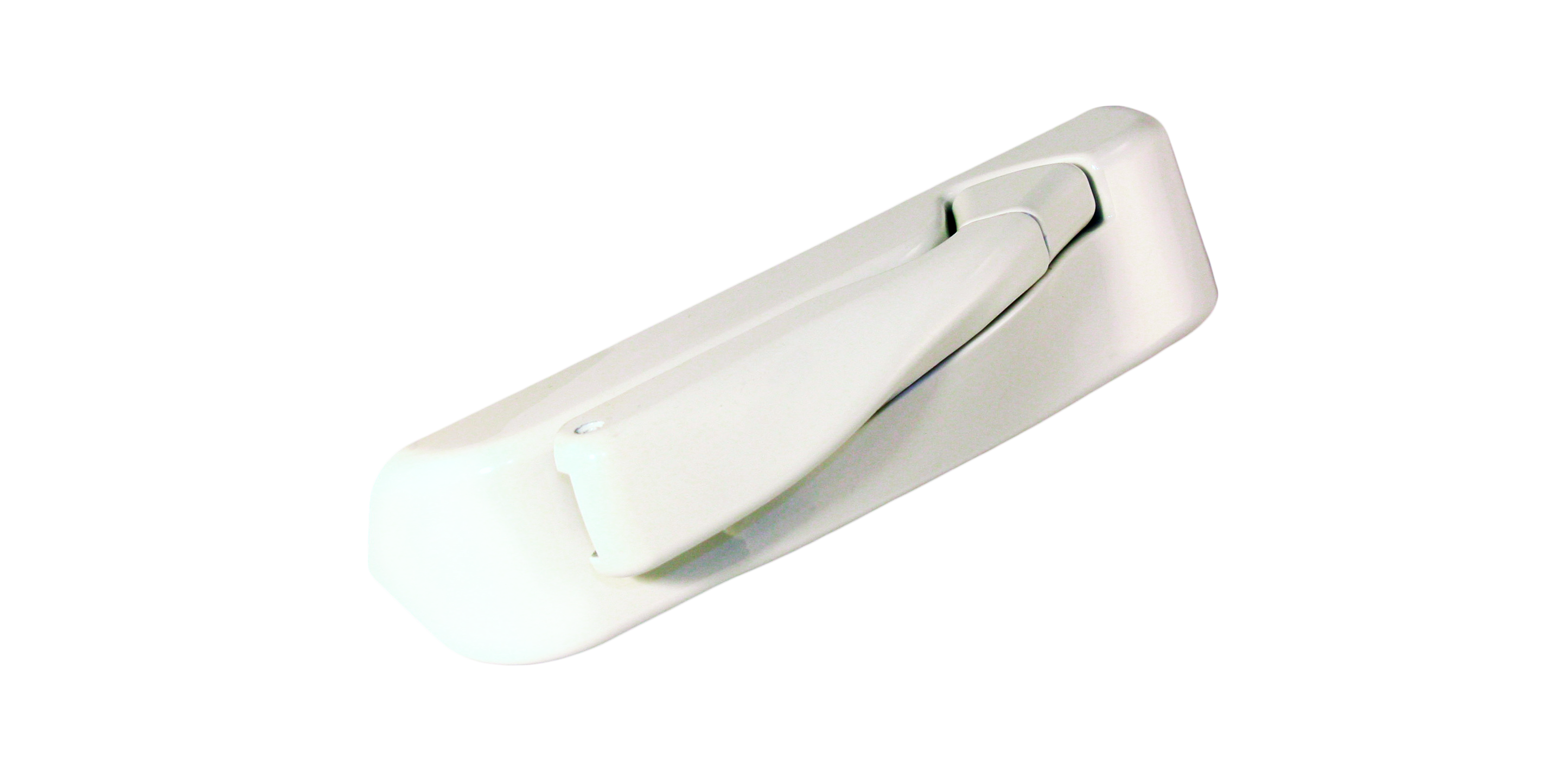
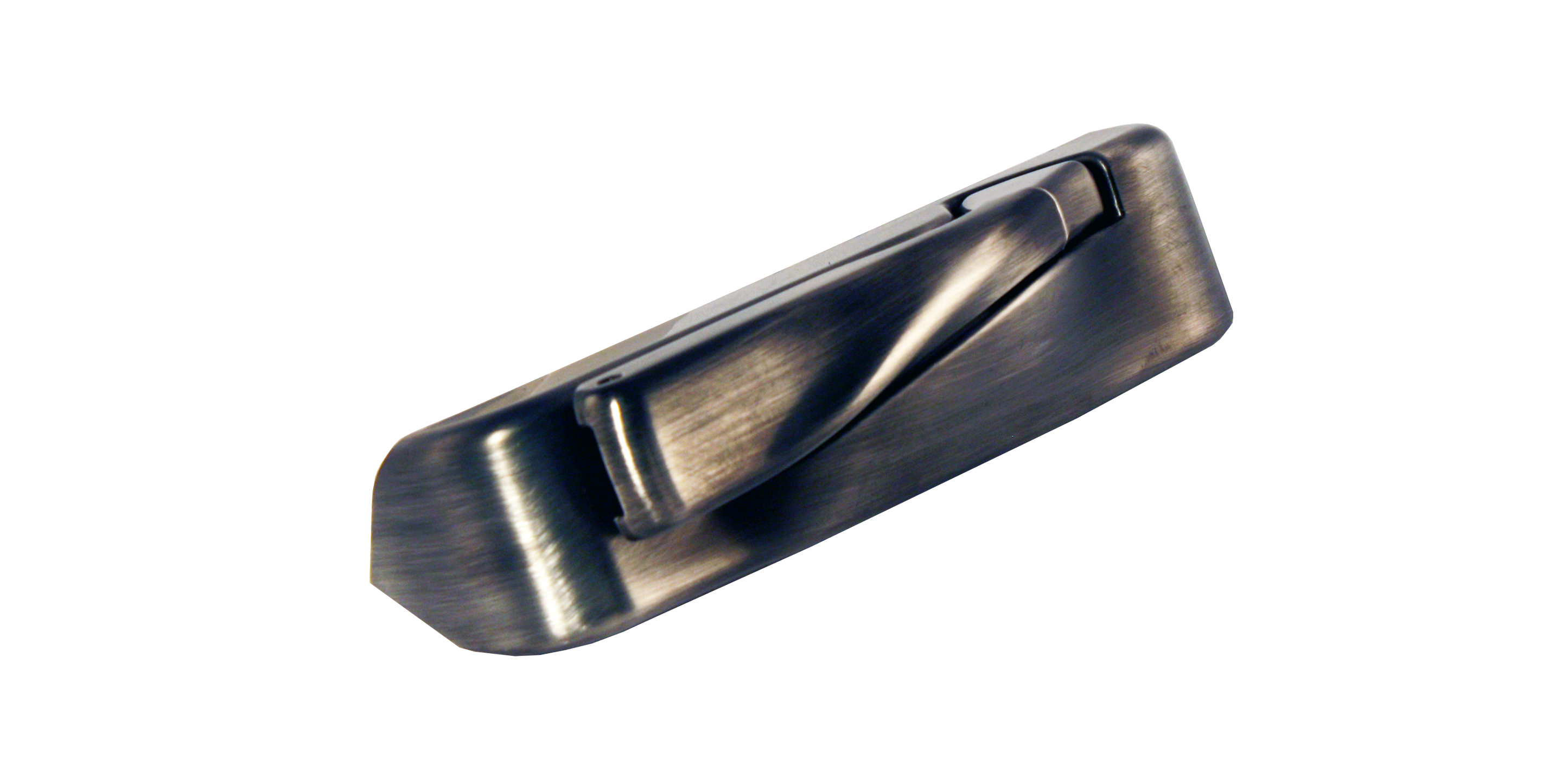
- Hardware colors include coppertone, beige, white, and matte black.
- Extruded screen frame supplied to coordinate with selected hardware color.
- Casement window handing is always viewed from the exterior.
Glass, Weatherstripping & Performance
- Base glass configuration is clear insulated glass with air fill.
- LoE glass packages are available and are typically required when the project must meet specific local energy code or performance requirements.
- Bulb/fin sash weatherstripping for added energy savings.
- National Fenestration Rating Council (NFRC) certified.
- Project energy requirements must be reviewed before selecting the final product configuration.
SizingActive Casement Windows
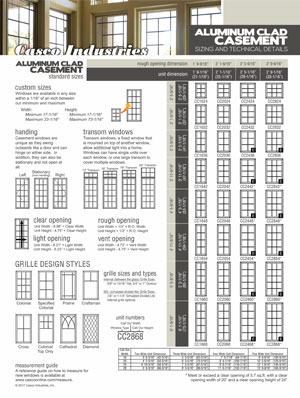
Custom active casement windows are available in any size within 1/16" of an inch between the published minimum and maximum dimensions.
- Minimum Unit Size: 17-1/16" W x 17-1/16" H
- Maximum Unit Size: 33-1/16" W x 73-1/16" H
Casement Picture Windows
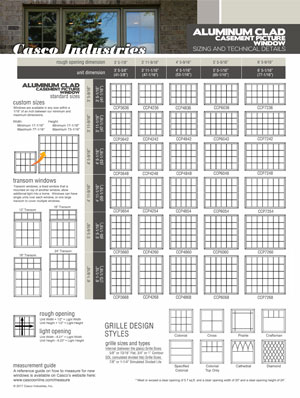
Casement picture windows are fixed units designed to coordinate with active casement windows and casement combination layouts.
- Minimum Unit Size: 17-1/16" W x 17-1/16" H
- Maximum Unit Size: 77-1/16" W x 73-1/16" H
Sizing Note: Size limits should be reviewed with the selected unit type, active or fixed configuration, handing, glass package, grille pattern, combination layout, bay or bow configuration, and project energy requirements before ordering.
For full sizing reference, download the Casco Casement Window Size Chart and Casco Casement Picture Size Chart.
Optional FeaturesSize, Color & Interior Options
- Custom sizes within published size limits.
- Exterior standard colors, Estate Colors, and custom exterior colors.
- Factory stain, prime, or paint finishes, including custom interior paint.
- Factory-installed extension jambs.
Glass, Screen & Grille Options
- LoE glass package options selected based on project requirements.
- Tempered, laminated, obscure, CLiC privacy glass, and blinds-between-glass options where available.
- BetterVue and PetScreen fabric options.
- Grilles between the glass (GBG), simulated divided lites (SDL), and removable wood grilles.
Installation & Combination Options
- Aluminum extruded brickmold or panning material.
- Masonry installation straps in 7", 9", or 11" depths.
- Factory mulled combinations with interior mullion strips supplied.
- 30-degree and 45-degree bay window configurations.
- 3-wide, 4-wide, and 5-wide bow window configurations.
- OSI Window and Door System Installation Products: PDF / More.
Construction & Ordering Notes- Casco aluminum-clad products use heavy-duty extruded aluminum cladding, not roll-form aluminum or vinyl cladding.
- Casement windows swing outward. Existing inswing casement conditions should be reviewed carefully before replacement.
- Handing is always viewed from the exterior.
- The base glass configuration is clear insulated glass with air fill.
- LoE glass packages are typically required when a project must meet a specific local energy code requirement, U-factor requirement, SHGC requirement, or performance target.
- Customers and project teams are responsible for confirming the applicable project energy requirements before purchasing.
- Factory mulled combinations, bay windows, and bow windows should be reviewed for unit sizing, operation, handing, glass package, grille layout, and field conditions before ordering.
Product Detail ShortcutsColors
Review exterior colors, Estate Colors, custom exterior colors, and interior prefinished wood colors.
Glass & Screen
Review glass packages, energy-code considerations, specialty glass, laminated glass, privacy glass, and screen options.
Hardware
Review casement operation, exterior-viewed handing, hardware, snubber system, and available hardware colors.
Grilles
Review internal grilles, simulated divided lite grilles, removable wood grilles, and grille patterns.
Combinations
Review casement combinations with picture windows, transoms, bays, bows, and other unit layouts.
FAQ
Review casement questions first, with shared aluminum-clad product information grouped near the bottom.
Certification & Manufacturing

Casco Aluminum-Clad Casement Windows are NFRC certified and manufactured with heavy-duty extruded aluminum-clad exterior protection, pine wood interiors, AmesburyTruth operating hardware, and available glass package options selected based on project requirements.
-
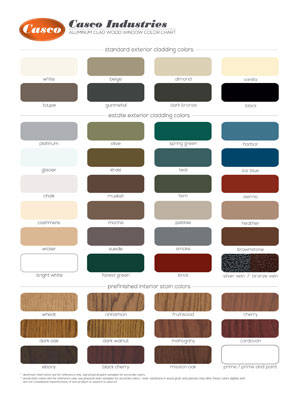
Casement Window Colors
Casco Aluminum-Clad Casement Windows are available with standard exterior colors, Estate Colors, custom exterior color options, and interior prefinished wood color options. Color selection helps casement windows coordinate with exterior trim, siding, other Casco aluminum-clad products, and the interior finish requirements of the home or project.
Review standard exterior aluminum-clad color options.
Review expanded exterior color options for upgraded appearance or closer project coordination.
Review prefinished wood color options for the pine interior.
Review sample, coordination, and final color selection notes before ordering.
Color Note: Digital color swatches can vary by screen, lighting, and device settings. Physical color samples must be reviewed before final selection whenever color match is critical.
Exterior Standard ColorsExterior standard colors are commonly used for aluminum-clad casement window projects where a standard exterior finish is preferred.
White
Vanilla
Almond
Beige
Taupe
Gunmetal

Dark Bronze

Black
Exterior Estate ColorsEstate Colors provide expanded exterior finish options for projects requiring a more specific color, upgraded appearance, or closer coordination with other exterior products.
Bright White
Chalk
Glacier
Platinum
Cashmere
Brownstone
Khaki
Mocha
Musket
Pebble
Smoke
Suede
Wicker
Heather
Brick
Sienna
Olive
Forest Green
Spring Green
Fern
Teal
Harbor
Ice Blue
Bronze Vein
Silver Vein
Interior Prefinished Wood ColorsInterior prefinished wood colors provide factory finish options for the pine wood interior of the casement window. These options help coordinate the interior window finish with trim, cabinetry, flooring, doors, and other interior design selections.
Wheat
Cinnamon
Fruitwood
Cherry
Dark Oak
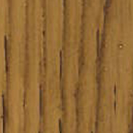
Dark Walnut
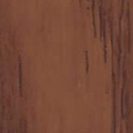
Mahogany
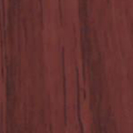
Cordovan

Ebony
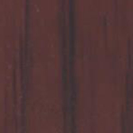
Black Cherry
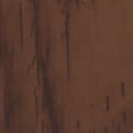
Mission Oak
Painted Casco White
Painted Casco Black
Primed Only
(Field Finish Required)
Color Selection Notes- Actual colors may vary from digital swatches.
- Physical color samples must be reviewed before final selection when color accuracy is important.
- Exterior standard colors are available for common aluminum-clad exterior finish requirements.
- Exterior Estate Colors are available when a more specific exterior finish is required.
- Interior prefinished wood colors are available for projects requiring a factory-finished pine interior.
- Custom exterior color options may be reviewed when standard or Estate Colors do not meet project requirements.
- Color selection should be reviewed with the window type, glass selection, grille selection, hardware finish, project requirements, and existing exterior and interior conditions before ordering.
Product Detail ShortcutsFeatures
Review standard features, optional features, construction, hardware, glass, and NFRC certification.
Glass & Screen
Review Cardinal glass options, obscure glass, Neat glass, and available screen fabric options.
-
Casement Window Glass & Screen
Casco Aluminum-Clad Casement Windows are available with multiple insulated glass, Low-E glass, specialty glass, privacy glass, laminated glass, blinds-between-glass, and screen fabric options. Glass selection should be reviewed based on project energy requirements, U-factor requirements, SHGC requirements, visible light goals, privacy needs, solar exposure, climate zone, local code requirements, and final product configuration before ordering.
Review base clear insulated glass, Low-E options, and project energy requirement notes.
Review LoĒ2-272, LoĒ3-366®, LoĒ3-340+, Quad LoĒ-452+, LoĒ-i89, and triple pane options.
Review laminated glass, obscure glass, CLiC privacy glass, and Blink / ODL blinds-between-glass options.
Review standard screen, BetterVue, and PetScreen fabric options.
Glass Selection Note: The base glass configuration is clear insulated glass with air fill. LoĒ glass packages are typically required when a project must meet a specific local energy code requirement, U-factor requirement, SHGC requirement, or performance target. Customers and project teams are responsible for confirming applicable energy requirements before purchasing Casco aluminum-clad windows.
Glass BasicsBase Glass Configuration
The base glass configuration for Casco Aluminum-Clad Casement Windows is clear insulated glass with air fill. This base configuration may be used when the project does not require a specific Low-E package and the applicable energy requirements allow it.
Clear glass allows strong visible light, but it does not provide the same solar control, UV protection, or U-factor performance as Low-E glass packages. When a project has a local energy code requirement or a specific U-factor, SHGC, or performance target, a Low-E glass package is typically required.
Glass Performance Terms- U-factor measures heat flow through the window assembly. A lower U-factor means better resistance to heat loss.
- SHGC measures how much solar radiation enters as heat. A lower SHGC helps reduce solar heat gain.
- Visible Transmittance measures how much visible light passes through the glass. A higher visible transmittance means more daylight.
- UV transmission relates to fading protection. Lower UV transmission helps reduce fading potential for furniture, flooring, fabrics, artwork, and interior finishes.
- Glare control reduces harsh visible light in direct sun conditions.
- Privacy control can be handled through obscure glass, CLiC switchable privacy glass, or blinds-between-glass depending on whether the project needs permanent privacy, on-demand privacy, or integrated blind operation.
LoĒ Glass Options
Dual Pane LoĒ Glass Options

Quad LoĒ-452+ with Neat+ - Dual Pane
Quad LoĒ-452+ is Cardinal’s four-layer silver coating option for projects that need strong solar control, a neutral appearance, and useful visible light. It is commonly selected for hot, sunny exposures where reducing solar heat gain is a priority without moving to a darker glare-control appearance.
Quad LoĒ-452+ has an SHGC of 0.22, visible light transmittance of 52%, and 99% UV blocking based on Cardinal’s published glass data. It is designed to provide strong solar control while maintaining a clear, neutral appearance.
Neat+ is included as standard on Quad LoĒ-452+ glass. Neat+ is an exterior glass coating that helps the glass stay naturally cleaner and clean easier by using sunlight and rain to reduce dirt buildup.
Common Use: Hot, sunny exposures where the project needs lower solar heat gain, strong fade protection, a neutral glass appearance, and the added benefit of Neat+ naturally cleaner glass.

LoĒ3-366® - Dual Pane
LoĒ3-366® is commonly selected when the project needs a balanced high-performance Low-E option with strong energy performance, solar control, UV protection, and clear appearance.
Common Use: All-around Low-E performance where the project needs energy performance while maintaining a clear appearance.

LoĒ2-272 - Dual Pane
LoĒ2-272 is commonly reviewed when the project needs a practical Low-E glass option with good visible light, improved energy performance, and moderate solar control. It can be a useful option for projects that do not require the stronger solar-control performance of LoĒ3-340+ or Quad LoĒ-452+.
Common Use: General casement window applications where the project needs Low-E performance, clear appearance, and balanced visible light without moving to a stronger solar-control glass package.

LoĒ3-340+ - Dual Pane
LoĒ3-340+ is commonly selected where glare and solar heat gain are the main concerns. It is often used for direct sun exposures, hot exposures, and rooms where glare control matters.
Common Use: Openings with stronger sun exposure where glare control and lower solar heat gain are priorities.

LoĒ-i89 Combinations - Dual Pane
LoĒ-i89 is an interior surface coating used when additional U-factor improvement is needed. It reflects interior heat back into the room and is commonly selected for improved winter thermal performance, northern climates, and stricter U-factor requirements.
This is typically required when a customer needs a U-value of 0.30 or less, depending on the selected unit configuration and applicable project requirements.
Common Use: LoĒ3-366® with LoĒ-i89 or Quad LoĒ-452+ with LoĒ-i89 when the project needs both exterior solar control and improved interior-side thermal performance.
Triple Pane LoĒ Glass Options
LoĒ3-366® with LoĒ-180™ - Triple Pane
Triple pane LoĒ3-366® with LoĒ-180™ is available when the project requires additional glass performance beyond standard dual pane configurations.
Common Use: Applications requiring higher-performance glass packages or additional project review.
Specialty Glass OptionsLaminated Glass
Laminated glass is available for Casco aluminum-clad casement windows. Laminated glass can be ordered with the same Cardinal LoĒ glass options when the project requires laminated glass along with a specific Low-E package.
Laminated glass is commonly reviewed when the project requires added safety, sound control, security considerations, impact resistance considerations, or project-specific glass requirements. The correct laminated glass configuration should be reviewed with the required Cardinal LoĒ coating, energy performance requirements, unit size, project location, and applicable code requirements before ordering.
Obscure Glass
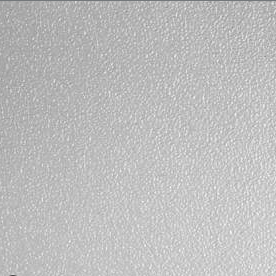
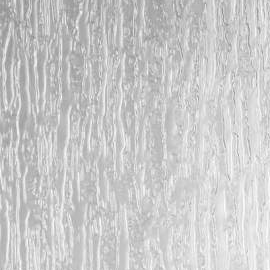
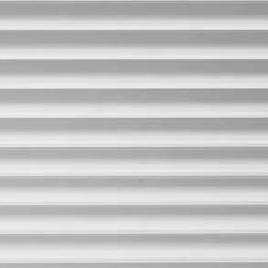
Obscure glass is available for casement windows. It is commonly used in bathrooms, mud rooms, utility areas, and other locations where privacy is needed while still allowing light into the room.
Pattern62/Stipolite
Rain
Reeded Horizontal

Reeded Vertical

Satin Etch
CLiC Switchable Privacy Glass
CLiC switchable privacy glass is available where size, product configuration, wiring, project requirements, and availability allow. CLiC glass is used when the project needs on-demand privacy instead of permanent obscure glass or a traditional window treatment.
CLiC glass switches between clear and private. It is useful for bathrooms, bedrooms, offices, conference rooms, street-facing windows, side yards, and other openings where the customer wants privacy control while still allowing natural light into the space.
Because CLiC is a specialty glass option, electrical requirements, lead time, unit size, glass package, project energy requirements, and final application details must be reviewed before ordering.
Blink / ODL Blinds-Between-Glass
Blink / ODL blinds-between-glass options are available where size, product configuration, glass package, and project requirements allow. These options place the blind inside the insulated glass unit, helping protect the blind from dust, damage, and exposed cords.
Blinds-between-glass options must be reviewed for available sizes, glass type, Low-E requirements, operation type, warranty, lead time, and the project’s required energy performance before ordering.
Glass Selection Notes- Clear insulated glass with air fill is the base glass configuration.
- LoĒ options are typically required when a project must meet a specific local energy code requirement or performance target.
- Quad LoĒ-452+ with Neat+ is commonly used for strong solar control, neutral appearance, lower solar heat gain, fade protection, and naturally cleaner exterior glass.
- LoĒ3-366® is commonly used for balanced energy performance and clear appearance.
- LoĒ2-272 is commonly reviewed for balanced Low-E performance, good visible light, and moderate solar control.
- LoĒ3-340+ is commonly used for direct sun and glare control.
- LoĒ-i89 combinations are commonly used for improved winter thermal performance, northern climates, and lower U-factor requirements.
- Triple pane LoĒ3-366® with LoĒ-180™ is available when the project requires additional glass performance beyond standard dual pane configurations.
- Laminated glass is available with the same Cardinal LoĒ options.
- Specialty glass and blinds-between-glass options must be checked against size limits, glass package availability, lead time, and project performance requirements.
- The customer, dealer, contractor, architect, builder, or project team must confirm which glass package is required before ordering.
Screen Options
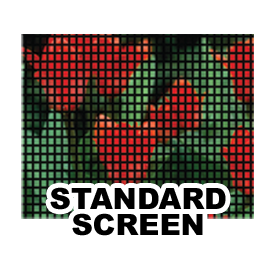
Standard Screen
Standard vinyl-coated fiberglass screen material is designed to keep insects out while maintaining airflow. It is the standard screen fabric used for many residential window and door applications.
Common Use: Standard casement window applications where airflow and insect protection are the primary needs.

BetterVue
BetterVue insect screen offers clearer views with enhanced insect screen performance. BetterVue includes Microban® antimicrobial product protection to help the screen stay cleaner longer, along with Water Shed TechnologyTM.
Common Use: Casement window applications where improved visibility, airflow, and a cleaner exterior view are desired.

PetScreen
PetScreen is tear and puncture resistant to help prevent damage caused by dogs and cats. It is often used in high-traffic areas and applications where added screen durability is needed.
PetScreen includes Microban® antimicrobial product protection to help the screen stay cleaner longer, along with Water Shed TechnologyTM.
Common Use: Pet-friendly window openings, high-traffic areas, and applications where screen durability is more important than maximum visibility.
Product Detail ShortcutsFeatures
Review casement construction, sizing, operation, hardware, and product notes.
Colors
Review exterior colors, Estate Colors, custom exterior colors, and interior wood finish options.
FAQ
Review energy requirement responsibility, glass package selection, and shared aluminum-clad product information.
-
Casement Window Grilles
Casco manufactures Aluminum-Clad Casement Windows with internal grilles, simulated divided lite grilles, and multiple grille style options. Grille selection helps casement windows match the architectural style of the home or building while coordinating with exterior color, interior finish, glass selection, and overall project design.
Review grilles between the glass and available two-tone finish information.
Review simulated divided lite grilles for a more traditional divided-light appearance.
Review available grille patterns and layout styles.
Review grille coordination, color, glass, and interior finish considerations.
Grille Note: Grille type and grille style should be reviewed with the window configuration, glass selection, exterior color, interior finish, and architectural appearance of the project before ordering.
Internal GrillesGrilles Between the Glass
Internal grilles are positioned between the two panes of insulating glass. This provides the visual appearance of divided lites while keeping the interior and exterior glass surfaces easier to clean.
All internal grilles are available in two-tone finishes. The exterior color of the grille is matched to the window exterior color, and white is included on the interior side to coordinate with painted white interior finishes.
Common Use: Casement window projects where a grille pattern is desired with easier glass cleaning and a cleaner surface compared with applied grilles.
5/8" Flat
13/16" Flat
3/4" Contour
1" Contour
SDL GrillesSimulated Divided Lite Grilles
Simulated Divided Lite (SDL) grilles are mounted to the exterior surface of the glass on both the exterior and interior of the window. SDL grilles create a richer divided-light appearance compared with internal grilles alone.
Adding a third internal grille between the glass can further enhance the look of SDL grilles by creating additional visual depth through the insulating glass unit.
Common Use: Traditional, historic-style, architect-specified, or design-focused casement window projects where a more authentic divided-lite appearance is desired.
7/8" SDL
7/8" SDL with Internal
1-1/4" SDL

1-1/4" SDL with Internal
Interior Removable Wood Grilles: Interior removable wood grilles are also available for projects requiring that grille option.
Grille StylesCasco casement windows are available with multiple grille style patterns. Grille style should be selected based on the architectural design, window layout, exterior appearance, and interior finish goals of the project.
Colonial
Colonial Top Only
Specified Colonial
Prairie
Craftsman
Cross
Diamond
Cathedral
Grille Selection Notes- Internal grilles are positioned between the panes of insulating glass.
- Internal grilles are available in two-tone finishes.
- SDL grilles are mounted to the exterior and interior glass surfaces.
- An internal grille between the glass can be added with SDL grilles for additional visual depth.
- Interior removable wood grilles are available when that option is required.
- Grille type, grille pattern, exterior color, interior finish, and glass selection should be reviewed together before ordering.
Product Detail ShortcutsFeatures
Review standard features, optional features, construction, hardware, glass, and NFRC certification.
Colors
Review standard exterior colors, Estate Colors, custom color options, and interior wood finish options.
Glass & Screen
Review Cardinal glass options, obscure glass, Neat glass, and available screen fabric options.
-
Casement Window Hardware
Casco Aluminum-Clad Casement Windows use AmesburyTruth hardware for smooth operation, secure locking, and long-term product performance. Hardware colors include coppertone, beige, white, and matte black to coordinate with the window interior, exterior color selection, grille selection, and project design.
Review available hardware finish options for casement window operators and locks.
Review crank handle, operator, multipoint lock, hinge, and screen frame information.
Review hardware-matching extruded screen frame color information.
Jump to features, colors, glass, grilles, combinations, and resources.
Hardware Note: Casco casement windows include AmesburyTruth fold-down crank handles, operators, multipoint locks, and adjustable sash hinges. Hardware colors include coppertone, beige, white, and matte black.
Hardware ColorsCasco casement window hardware colors include coppertone, beige, white, and matte black. These hardware colors are standard available finish options for the casement window hardware.
Coppertone
Beige
White
Matte Black
Screen Frame ColorCasco casement windows include an extruded screen frame. Screen frame color is supplied to coordinate with the selected hardware color.
Hardware and screen frame color should be reviewed with the interior finish, exterior color, grille selection, and project requirements before ordering.
Hardware Selection Notes- Casco casement windows include AmesburyTruth fold-down crank handles.
- Hardware colors include coppertone, beige, white, and matte black.
- Casco casement windows include AmesburyTruth operators, multipoint locks, and adjustable sash hinges.
- Extruded screen frames are supplied to coordinate with the selected hardware color.
- Hardware and screen frame color selection should be reviewed with the interior wood finish, exterior color, grille selection, and project design before ordering.
Product Detail ShortcutsFeatures
Review standard features, optional features, construction, hardware, glass, and NFRC certification.
Colors
Review standard exterior colors, Estate Colors, custom color options, and interior wood finish options.
Glass & Screen
Review Cardinal glass options, obscure glass, Neat glass, and available screen fabric options.
Grilles
Review internal grilles, simulated divided lite grilles, and available grille patterns.
Combinations
Review casement combinations with picture windows, transoms, and other unit layouts.
Resources
Download the aluminum-clad guide, casement size chart, casement picture size chart, and related support documents.
-
Casement Window Combinations
Casco Aluminum-Clad Casement Windows can be used as stand-alone windows or combined with picture windows, transoms, and other window units to create larger window layouts. Casement combinations are commonly used when a project needs ventilation, larger glass views, balanced sightlines, or a more custom architectural appearance.
Review examples of casement windows used with other window units.
Review common design uses for casement window combinations.
Review sizing, mulling, glass, grille, and field condition considerations.
Jump to features, colors, glass, grilles, hardware, and resources.
Combination Note: Casement window combinations should be reviewed with the overall opening size, desired ventilation, glass selection, grille layout, exterior color, interior finish, installation method, and project design requirements before ordering.
Combination ExamplesShown below are examples of how Casco casement windows can be used in combination with other window units to elevate the design of new windows, replacement projects, remodels, and larger architectural openings.
Two casement windows on each side of a casement picture window. Colonial grille style in casements, no grilles in picture window.
Four active casement windows side by side. Cross grille style.
Three casement windows, two active and one stationary. One arched specialty window transom over the windows. Craftsman grille pattern.
Two casement windows on each side of a casement picture window. Separate transom windows over each unit.
Common Combination ApplicationsCasement Picture Combinations
Casement windows can be combined with picture windows to create larger glass areas while maintaining operable ventilation on one or both sides of the fixed center unit.
Common Use: Living rooms, dining areas, offices, bedrooms, and larger wall openings where a broad glass view and controlled ventilation are desired.
Casement Transom Layouts
Casement windows can be used with transoms to add height, increase natural light, and create a more architectural appearance in taller openings.
Common Use: Great rooms, stair areas, tall wall openings, front elevations, and project designs where additional daylight or vertical emphasis is desired.
Grouped Casement Units
Multiple casement windows can be grouped together for wider openings, balanced exterior elevations, and larger architectural window designs.
Common Use: New construction, remodels, replacement openings, architect-specified projects, and larger window walls requiring multiple matching units.
Combination Layout Notes- Casement combinations can include operating casements, fixed picture windows, transoms, and other compatible window units.
- Combination layouts should be reviewed with the rough opening size, unit sizing, structural requirements, installation method, and project design.
- Factory mulled combinations are available with interior mullion strips supplied.
- Glass selection, grille pattern, exterior color, interior finish, and hardware finish should be coordinated across the combination.
- Casement picture combinations can provide a larger glass view while maintaining ventilation through the operating casement units.
- Transoms can add height, daylight, and architectural detail to larger openings.
- Combination layouts should be confirmed before ordering to ensure the correct unit configuration, handing, grille pattern, and finish selections.
Product Detail ShortcutsFeatures
Review standard features, optional features, construction, hardware, glass, and NFRC certification.
Colors
Review standard exterior colors, Estate Colors, custom color options, and interior wood finish options.
Glass & Screen
Review Cardinal glass options, obscure glass, Neat glass, and available screen fabric options.
Grilles
Review internal grilles, simulated divided lite grilles, and available grille patterns.
Resources
Download the aluminum-clad guide, casement size chart, casement picture size chart, and related support documents.
-
Casement Window Resources
Use these casement window resources to review product information, casement sizing, casement picture sizing, and aluminum-clad window and patio door product support. These materials are helpful for homeowners, contractors, dealers, lumberyards, architects, and project buyers reviewing Casco Aluminum-Clad Casement Windows.
Downloadable Resources
Use these documents to review aluminum-clad window and patio door product information, casement window sizing, and casement picture window sizing.
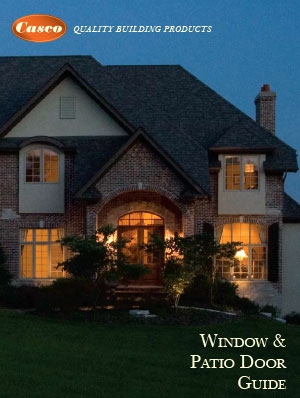
Aluminum-Clad Guide Casco Aluminum-Clad Window & Patio Door Guide (PDF)
Product overview, aluminum-clad window and patio door information, available options, and supporting product details.
Casement Size Chart Casco Casement Window Size Chart (PDF)
Standard casement window size chart information for project planning, quoting, and product selection.
Casement Picture Size Chart Casco Casement Picture Size Chart (PDF)
Casement picture window size chart information for fixed units, combinations, and casement picture layouts.
Additional Casement Window InformationFeatures Casement Window Features Standard features, optional features, construction, hardware, glass, and NFRC certification.
Colors Casement Window Colors Exterior standard colors, Estate Colors, custom exterior colors, and interior prefinished wood colors.
Glass & Screen Glass & Screen Options Cardinal LoE glass options, LoE3-366® with LoE-i89, obscure glass, Neat glass, and screen fabric options.
Grilles Casement Window Grilles Internal grilles, simulated divided lite grilles, removable wood grilles, and grille style options.
Hardware Casement Window Hardware Coppertone, beige, white, and matte black hardware color options.
Combinations Casement Window Combinations Casement picture combinations, transom layouts, and grouped casement configurations.
Product Reminder Casement window size, color, glass, grille, hardware, jamb, installation, and combination details should be reviewed together before ordering.
Related Casco ProductsRelated options include Aluminum-Clad Double-Hung Windows, Aluminum-Clad Patio Doors, Replacement Casement Sashes, Double-Hung Replacement Kits, and Architect-Specified Windows & Doors.
These products may be useful when a project includes aluminum-clad window upgrades, casement replacement needs, patio door work, historic restoration, or architect-specified project requirements.
-
Aluminum-Clad Casement Window FAQ
Casco Aluminum-Clad Casement Windows are custom aluminum-clad wood windows for homeowners, contractors, dealers, lumberyards, architects, and project teams looking for durable, energy-efficient, side-hinged windows with clean sightlines and strong ventilation. This FAQ focuses first on casement-window-specific questions, including operation, ventilation, sizing, handing, bay and bow configurations, grilles, hardware, installation, replacement planning, historic review, and project use. Shared aluminum-clad product information, including cladding construction, glass package selection, energy requirements, screens, interior finish options, and related Casco aluminum-clad product details, is grouped near the bottom because that information repeats across the aluminum-clad product line.
Improve ventilation, views, comfort, and exterior appearance with custom aluminum-clad casement windows.
Support replacement, remodel, new construction, and larger window combination projects.
Source custom aluminum-clad casement windows for residential and light commercial projects.
Review casement windows for architectural openings, combinations, sightlines, glass, grilles, and finish requirements.
Quick Summary: Casco Aluminum-Clad Casement Windows are side-hinged windows that open outward for strong ventilation, clear glass views, and secure operation. They are built with heavy-duty extruded aluminum-clad exteriors, not roll-form aluminum or vinyl cladding, along with pine wood interiors, clear insulated glass with air fill as the base glass configuration, with LoE glass options typically required when the project must meet specific local energy code requirements, AmesburyTruth hardware, multipoint locking, adjustable sash hinges, an extruded snubber system for added hinge-side sash support, and NFRC-certified performance. Casco casement windows can be used alone, paired with picture windows, grouped together, combined with transoms, used in 30-degree and 45-degree bay window configurations, and used in 3-wide, 4-wide, and 5-wide bow window configurations. Active casement windows and casement picture windows are available in standard and custom sizes within published minimum and maximum size limits. Customers and project teams are responsible for reviewing the project energy requirements and selecting the correct product configuration before purchasing Casco aluminum-clad windows. Shared aluminum-clad construction and glass-package guidance is grouped near the bottom of this FAQ so the casement-specific questions stay first.
Browse FAQ Topics
Casement Basics Operation & Performance Sizing & Configurations Grilles & Hardware Installation & Replacement Projects & Historic Review Dealers & Resources Shared Clad Information Aluminum-Clad Basics Extruded Cladding Glass, Energy & Screens
Casement Window BasicsWhat is a casement window?
A casement window is a side-hinged window that opens outward from the left or right side. Instead of lifting up and down like a double-hung window, a casement window operates with a crank handle and projects outward from the frame.
Casement windows are commonly selected when a project needs strong ventilation, clean sightlines, secure operation, and a larger unobstructed glass area.
How do Casco casement windows operate?
Casco casement windows use AmesburyTruth operating hardware, including a fold-down crank handle, operator, multipoint lock, and adjustable sash hinges. The sash opens outward from the side and closes tightly against bulb/fin sash weatherstripping.
Standard hardware colors include coppertone, beige, white, and matte black.
Are casement windows good for ventilation?
Yes. Casement windows are one of the strongest window styles for ventilation because the full sash opens outward. This creates a larger open area than many other window types and can help direct fresh air into the room.
Casement windows are especially useful in areas where airflow matters, including kitchens, living rooms, bedrooms, offices, sunrooms, and project openings where the sash can safely project outward.
Do casement windows provide clear views?
Yes. Casement windows provide a clean glass surface with no meeting rail through the center of the sash. This makes them a good choice when the project calls for larger views, more daylight, and a cleaner exterior appearance.
Where can casement window product information be downloaded?
General aluminum-clad window information can be reviewed in the Casco Aluminum-Clad Window & Patio Door Guide. Casement sizing can be reviewed in the Casco Casement Window Size Chart, and fixed casement picture sizing can be reviewed in the Casco Casement Picture Size Chart.
Operation, Comfort, and PerformanceAre Casco casement windows energy efficient?
Yes. Casco Aluminum-Clad Casement Windows include clear insulated glass with air fill as the base glass configuration, with LoE glass options typically required when the project must meet specific local energy code requirements as a standard feature. They also include bulb/fin sash weatherstripping and multipoint locking hardware to help the sash close securely against the frame.
Casco casement windows are NFRC certified for performance documentation and project review.
What does multipoint locking do on a casement window?
Multipoint locking helps pull the casement sash tightly into the frame at multiple lock points. This supports secure operation, helps improve sash compression, and works with the weatherstripping to support comfort and performance.
Do casement windows seal tighter than some other window styles?
Casement windows are designed to close by pulling the sash into the frame. This operation works well with weatherstripping and multipoint locking because the sash compresses against the frame when closed.
Actual performance depends on window size, installation, glass selection, field conditions, and proper adjustment.
Are Casco casement windows NFRC certified?
Yes. Casco Aluminum-Clad Casement Windows are National Fenestration Rating Council (NFRC) certified. NFRC certification supports performance documentation for homeowners, contractors, dealers, architects, and project teams reviewing U-factor, solar heat gain, visible transmittance, and related performance data.
Who is responsible for confirming project energy requirements?
Customers, dealers, contractors, architects, builders, and project teams are responsible for reviewing the project energy requirements before purchasing Casco aluminum-clad windows. Requirements can vary by location, building code, project type, glass package, unit configuration, orientation, and overall project design.
Casco provides available product configurations, glass options, NFRC-certified performance information, and supporting product documentation. The project team must confirm that the selected window type, glass package, grille option, unit configuration, and overall product selection meet the applicable energy requirements before ordering.
Does the base glass configuration meet all energy code requirements?
No. The base glass configuration for Casco aluminum-clad windows is clear insulated glass with air fill. LoE glass options are typically required when a project must meet a specific local energy code requirement or performance target.
Before purchasing, the customer, dealer, contractor, architect, builder, or project team must review the applicable energy requirements and select the product configuration needed to meet those requirements. This may include selecting the correct LoE coating, including LoE3-366®, LoE3-340+, Quad LoE-452+, LoE-i89 combinations, gas fill, pane configuration, grille option, unit type, and overall window configuration.
Sizing, Configurations, and CombinationsAre Casco casement windows available in custom sizes?
Yes. Custom sizes are available for Casco Aluminum-Clad Casement Windows. Custom active casement windows are available in any size within 1/16" of an inch between the published minimum and maximum dimensions.
Active casement minimum and maximum unit size: 17-1/16" minimum width by 17-1/16" minimum height, up to 33-1/16" maximum width by 73-1/16" maximum height.
Casement size requirements should be reviewed with the project opening, rough opening condition, jamb depth, installation method, glass selection, grille selection, handing, and combination layout before ordering.
What are the minimum and maximum sizes for Casco casement picture windows?
Casco casement picture windows are fixed units designed to coordinate with active casement windows. Custom casement picture windows are available in any size within 1/16" of an inch between the published minimum and maximum dimensions.
Casement picture minimum and maximum unit size: 17-1/16" minimum width by 17-1/16" minimum height, up to 77-1/16" maximum width by 73-1/16" maximum height.
Casement picture window size should be reviewed with the overall window layout, fixed unit location, glass selection, grille pattern, combination requirements, and project energy requirements before ordering.
What is the jamb depth on Casco casement windows?
Casco Aluminum-Clad Casement Windows use a 4-9/16" jamb depth as a standard feature.
Can casement windows be used alone or in combinations?
Yes. Casco casement windows can be used as stand-alone windows or combined with fixed picture windows, casement picture windows, transoms, and other compatible aluminum-clad window units.
Common combinations include casement-picture-casement layouts, grouped casement units, casement windows with transoms above, 30-degree and 45-degree bay window configurations, and 3-wide, 4-wide, and 5-wide bow window configurations. For examples, review the Combinations section.
Can Casco casement windows be used in bay and bow windows?
Yes. Casco casement windows can be used in bay and bow window configurations. Bay window configurations are available in 30-degree and 45-degree layouts. Bow window configurations are available in 3-wide, 4-wide, and 5-wide layouts.
Bay and bow window layouts should be reviewed with the opening size, projection, unit sizing, operating sash locations, fixed unit locations, glass selection, grille pattern, exterior color, interior finish, hardware color, seat board or trim requirements, and installation conditions before ordering.
Can Casco provide factory mulled casement combinations?
Yes. Factory mulled combinations are available with interior mullion strips supplied. Combination layouts should be reviewed before ordering to confirm unit configuration, exterior-viewed handing, grille pattern, glass selection, exterior color, interior finish, and installation requirements.
What is a casement picture window?
A casement picture window is a fixed window designed to coordinate with casement window profiles and sightlines. It is used when the opening needs a non-operating fixed glass unit that matches surrounding casement windows or combination layouts.
Casement picture size information, including published minimum and maximum size limits, can be reviewed in the Casco Casement Picture Size Chart.
Grilles and HardwareWhat grille options are available for Casco casement windows?
Casco casement windows are available with internal grilles, simulated divided lite (SDL) grilles, grille style patterns, and interior removable wood grilles. Internal grilles are positioned between the panes of insulating glass. SDL grilles are mounted to the exterior and interior glass surfaces.
For grille details and galleries, review the Grilles section.
Are internal grilles available in two-tone finishes?
Yes. Internal grilles are available in two-tone finishes. The exterior color of the grille is matched to the window exterior color, and white is included on the interior side to coordinate with painted white interior finishes.
What hardware colors are available?
Casco casement window hardware colors include coppertone, beige, white, and matte black. These hardware colors are standard available finish options for the casement window hardware.
What hardware is used on Casco casement windows?
Casco casement windows use AmesburyTruth hardware, including the fold-down crank handle, operator, multipoint lock, and adjustable sash hinges. Casco casement windows also include an extruded snubber system that helps hold the hinge side of the sash into the frame for added support.
Installation and Replacement PlanningCan Casco casement windows be used for replacement projects?
Yes. Casco Aluminum-Clad Casement Windows can be used for replacement, remodel, and new construction projects. Replacement requirements depend on the existing opening, rough opening condition, wall construction, interior trim, exterior cladding, installation method, and final finish details.
Are installation accessories available?
Yes. Available installation-related options include factory-installed extension jambs, aluminum extruded brickmold or panning material, masonry installation straps in 7", 9", or 11" depths, factory mulled combinations, and OSI Window and Door System Installation Products.
Can Casco casement windows replace existing casement windows?
Yes. Casco casement windows can be used when the project calls for a full replacement aluminum-clad casement window. If the existing frame can remain and only the sash needs to be replaced, Casco also offers Replacement Casement Sashes for qualifying applications.
Do Casco casement windows swing in or swing out?
Casco Aluminum-Clad Casement Windows swing outward. This should be confirmed before ordering, especially when the project involves replacing older inswing casements, matching an existing historic condition, reviewing exterior clearance, or working through a historic design review process.
Existing inswing casements and new outward-swinging casements are not the same operating condition, so the project team should review operation, clearance, appearance, egress requirements, screen location, and approval requirements before ordering.
Should casement window handing be reviewed before ordering?
Yes. Casement window handing must be reviewed before ordering because the sash can hinge from either the left or right side. Casco casement window handing is always viewed from the exterior.
Handing affects operation, egress review, room layout, exterior clearance, screen placement, and combination configuration. For bay windows, bow windows, mulled combinations, and other grouped layouts, handing should be confirmed for each operating unit before ordering.
Projects, Architects, and Larger Window LayoutsAre casement windows good for architect-specified projects?
Yes. Casco Aluminum-Clad Casement Windows are a strong option for architect-specified projects requiring custom sizing, aluminum-clad exterior finish options, pine wood interiors, grille options, Cardinal glass options, NFRC certification, and larger window combinations.
Architects and project teams can also review Casco’s Architect-Specified Windows & Doors page for related product options and specification-focused information. For historic projects, casement window use, existing operation, exterior sightlines, and design review requirements should be reviewed before ordering.
Are casement windows good for larger glass openings?
Yes. Casement windows can be combined with casement picture windows, fixed picture windows, transoms, bay window layouts, bow window layouts, and other compatible units to create larger glass layouts while maintaining ventilation through selected operating casement units. Casco supports 30-degree and 45-degree bay window configurations and 3-wide, 4-wide, and 5-wide bow window configurations.
Can casement windows be used in historic or traditional-style projects?
Yes, but historic project use should be reviewed carefully. Double-hung windows are more common on many historic projects, but some historic homes and buildings did use casement windows.
One important detail is operation. Many existing historic casement windows are inswing casements, while Casco Aluminum-Clad Casement Windows swing outward. Some historic design review committees approve new outward-swinging aluminum-clad casement windows because of the long-term benefit of having heavy-duty extruded aluminum cladding on the exterior, but that approval is handled on a case-by-case basis.
Historic review should consider the existing window operation, exterior sightlines, grille pattern, color, interior finish, opening condition, local review requirements, and whether the project is replacing full windows or only addressing existing sash. For projects where existing casement frames can remain, Casco’s Replacement Casement Sashes may also be reviewed.
Dealers, Lumberyards, Resources, and Related ProductsCan dealers and lumberyards source Casco aluminum-clad casement windows?
Yes. Casco supplies aluminum-clad casement windows through its supported dealer network for homeowners, contractors, remodelers, builders, architects, and project buyers. Dealers and lumberyards can use Casco aluminum-clad casements to support replacement, remodel, new construction, architectural, and light commercial project opportunities.
What information helps with quoting casement windows?
Helpful quoting information includes quantity, unit size, whether the unit is active casement or casement picture, exterior-viewed handing, configuration, bay or bow layout when applicable, applicable project energy requirements, required glass performance, glass option, laminated glass requirements, specialty privacy glass, or blinds-between-glass requirements when applicable, grille option, exterior color, interior finish, hardware color, screen option, jamb requirements, installation accessories, factory mulling needs, delivery location, and project schedule.
What related Casco products should be reviewed?
Related products include Aluminum-Clad Double-Hung Windows, Aluminum-Clad Patio Doors, Replacement Casement Sashes, Double-Hung Replacement Kits, Aluminum Storm Windows, and Aluminum Storm Doors.
Shared Aluminum-Clad Product InformationShared Product Note: The sections below cover aluminum-clad product details that repeat across Casco’s aluminum-clad product line, including extruded aluminum cladding, wood interiors, finish options, Cardinal glass packages, energy-code review, screens, specialty glass, laminated glass, CLiC privacy glass, and blinds-between-glass options.
Aluminum-Clad Window BasicsWhat is an aluminum-clad wood window?
An aluminum-clad wood window uses aluminum on the exterior and wood on the interior. Casco aluminum-clad products use heavy-duty extruded aluminum cladding on the exterior, not roll-form aluminum or vinyl cladding. The extruded aluminum-clad exterior helps protect the outside of the window from weather exposure, while the wood interior provides a traditional appearance and finish flexibility inside the home.
This aluminum-clad section applies broadly across Casco aluminum-clad window and patio door product lines.
Why choose aluminum-clad windows?
Aluminum-clad windows are selected when a project needs exterior durability and interior wood appearance. The aluminum exterior reduces exterior maintenance compared with exposed wood, while the pine interior provides a warmer interior appearance that can coordinate with trim, cabinetry, flooring, doors, and other interior finishes.
What exterior colors are available?
Casco aluminum-clad products are available with exterior standard colors, exterior Estate Colors, and custom exterior color options. Physical color samples must be reviewed before final selection whenever color accuracy is important.
For current color galleries, review the Colors section.
What interior finish options are available?
Factory stain, prime, or paint finishes are available, including custom interior paint. Interior prefinished wood colors are also available for projects requiring a factory-finished pine interior.
Can aluminum-clad casement windows coordinate with other Casco products?
Yes. Casco Aluminum-Clad Casement Windows can coordinate with other Casco aluminum-clad products, including Aluminum-Clad Double-Hung Windows, Aluminum-Clad Patio Doors, Replacement Casement Sashes, and Double-Hung Replacement Kits.
Extruded Aluminum Cladding Compared with Roll-Form and Vinyl CladdingDo Casco aluminum-clad windows use extruded aluminum?
Yes. Casco aluminum-clad windows and doors use extruded aluminum cladding. Casco does not use roll-form aluminum cladding or vinyl cladding on its aluminum-clad product line.
Extruded aluminum is a heavier-duty exterior cladding system that is formed through an extrusion die, creating a stronger and more substantial profile than thin roll-form cladding or vinyl exterior cladding.
What is the difference between extruded aluminum cladding and roll-form aluminum cladding?
Extruded aluminum cladding is made from a solid aluminum profile shaped through an extrusion process. This creates a rigid, substantial exterior component with more strength, better profile definition, and a heavier-duty feel.
Roll-form aluminum cladding is typically made from thinner aluminum sheet material that is bent or formed around the exterior of the window. Roll-form cladding can provide an aluminum exterior surface, but it is generally a lighter-duty cladding approach compared with extruded aluminum.
For customers comparing similarly priced aluminum-clad windows, the cladding method matters. A window with extruded aluminum cladding is not the same construction level as a window using thin roll-form cladding.
What is the difference between extruded aluminum cladding and vinyl cladding?
Extruded aluminum cladding provides a durable metal exterior over the wood window. It is used when the project requires a more substantial exterior cladding system with a clean finish, strong profile shape, and long-term exterior durability.
Vinyl cladding uses a vinyl exterior surface instead of aluminum. Vinyl cladding can reduce exterior maintenance compared with exposed wood, but it does not provide the same heavy-duty aluminum exterior construction as extruded aluminum cladding.
Casco aluminum-clad windows are built for customers who want the strength and appearance of aluminum on the exterior with the warmth and finish flexibility of wood on the interior.
Why does extruded aluminum cladding matter?
Extruded aluminum cladding matters because it creates a stronger, more rigid exterior profile than roll-form or vinyl cladding. This helps support a cleaner exterior appearance, better cladding definition, durable corners and profiles, and a more substantial product feel.
When comparing Casco aluminum-clad windows against other products with similar or equal pricing, customers should confirm whether the competing window uses extruded aluminum cladding, roll-form aluminum cladding, or vinyl cladding. Products may look similar at a glance, but the exterior cladding construction can be very different.
Shared Glass, Energy, and Screen OptionsWhat glass comes standard in Casco casement windows?
The base glass configuration for Casco Aluminum-Clad Casement Windows is clear insulated glass with air fill. LoE glass options and upgraded glass packages are available when additional performance is required.
Because energy requirements vary by project location, building code, unit type, glass package, and configuration, the customer or project team must confirm whether the base glass configuration is acceptable or whether a LoE option is required before ordering.
What upgraded glass options are available?
Available glass options include LoE3-340+, LoE3-366®, LoE3-366® with LoE-i89, Quad LoE-452+, Quad LoE-452+ with LoE-i89, triple pane LoE3-366® with LoE-180™, LoE-i89, Neat® naturally clean glass, tempered glass, laminated glass, obscure glass options, CLiC switchable privacy glass, and Blink / ODL blinds-between-glass options where size, product configuration, and project requirements allow.
LoE options are typically required when a project must meet a specific local energy code requirement, U-factor requirement, SHGC requirement, or performance target. Glass selection must be reviewed with the window location, energy goals, applicable project energy requirements, solar exposure, privacy needs, grille selection, hardware finish, and project requirements before ordering. For more detail, review the Glass & Screen section.
How should customers choose between clear glass, LoE3-366®, LoE3-340+, Quad LoE-452+, and LoE-i89 combinations?
The correct glass configuration depends on the project energy requirements, climate zone, sun exposure, room use, visible light goals, solar heat gain goals, and required NFRC performance. The base glass configuration is clear insulated glass with air fill. LoE glass options are typically needed when the project must meet a specific local energy code requirement or performance target.
Clear insulated glass with air fill is the base configuration. It may be appropriate only when the project does not require a specific Low-E performance package and the energy requirements allow it. Clear glass allows the highest visible light, but it does not provide the same solar control, UV protection, or U-factor performance as the LoE glass packages.
LoE3-366® is commonly used as a balanced high-performance Low-E option when the project needs improved energy performance, solar control, UV protection, and clear visibility. Cardinal describes LoE3-366® as a spectrally selective coating that cuts down heat-producing infrared light, nearly eliminates ultraviolet transmission, and maintains strong visible light transmittance.
LoE3-340+ is used when greater glare control and lower solar heat gain are needed, especially for direct sun exposures. Cardinal positions LoE3-340+ as glare-control glass with a 0.18 SHGC, 39% visible light transmission, and strong infrared and UV blocking.
Quad LoE-452+ is available when the project needs strong solar control with a clear, neutral appearance. Cardinal lists Quad LoE-452+ with a 0.22 SHGC, 52% visible light transmission, 99% UV blocking, low exterior reflection, and Neat+ included as standard.
LoE-i89 is an interior surface coating used when additional U-factor improvement is needed. Cardinal describes LoE-i89 as a #4 surface coating that reflects escaping heat back into the room and can help double-pane units approach triple-pane performance in many applications.
LoE3-366® with LoE-i89 and Quad LoE-452+ with LoE-i89 are reviewed when the project needs both exterior solar control and additional interior-side thermal performance. These combinations are often used when the project must improve U-factor while also controlling solar heat gain.
The customer, dealer, contractor, architect, builder, or project team must confirm which glass package is required before ordering. Casco provides available glass options and product performance documentation, but the project team is responsible for selecting the product configuration that meets the applicable project energy requirements.
What does each glass performance term mean?
U-factor measures heat flow through the window assembly. A lower U-factor means better resistance to heat loss. This is often important in cold climates and energy-code-driven projects.
Solar Heat Gain Coefficient (SHGC) measures how much solar radiation enters as heat. A lower SHGC helps reduce solar heat gain and is often important in hot, sunny climates or high-sun exposures.
Visible Transmittance (VT) measures how much visible light passes through the glass. A higher visible transmittance means more daylight and a clearer view.
UV transmission relates to fading protection. Lower UV transmission helps reduce fading potential for furniture, flooring, fabrics, artwork, and interior finishes.
Laminated glass uses an interlayer between glass layers and is commonly reviewed for added safety, sound control, security considerations, impact resistance considerations, or project-specific glass requirements.
Privacy control can be handled through obscure glass, CLiC switchable privacy glass, or blinds-between-glass depending on whether the project needs permanent privacy, on-demand privacy, or integrated blind operation.
Glare control reduces the intensity of visible light in direct sun conditions. This is useful for high-sun exposures, rooms with screens or televisions, commercial spaces, and areas where harsh daylight is a concern.
Which glass option should be used for a specific customer need?
For a base non-code-driven configuration: clear insulated glass with air fill may be used when the project does not require a specific Low-E package and the applicable energy requirements allow it.
For balanced energy performance and clear appearance: LoE3-366® is commonly selected when the project needs a strong all-around Low-E option.
For direct sun and glare control: LoE3-340+ is commonly selected where glare and solar heat gain are the main concerns.
For strong solar control with a clearer neutral appearance than heavy glare-control glass: Quad LoE-452+ is commonly selected for hot, sunny exposures where reducing solar heat gain is a priority while still maintaining useful visible light.
For improved winter thermal performance, northern climates, and lower U-factor requirements: LoE-i89 combinations are commonly selected when the project needs stronger interior-side heat retention or must meet stricter U-factor requirements. This is typically required when a customer needs a U-value of 0.30 or less, depending on the selected unit configuration and applicable project requirements.
For laminated glass requirements: laminated glass is available with the same Cardinal LoE glass options when the project needs laminated glass for safety, sound control, security considerations, impact resistance considerations, or project-specific requirements.
For privacy without permanent obscure glass: CLiC switchable privacy glass is available where the project requires on-demand privacy. CLiC glass switches between clear and private, allowing privacy when needed while still allowing light into the space.
For integrated light and privacy control: Blink / ODL blinds-between-glass options are available where the project requires cordless blinds enclosed inside the insulated glass unit. These options help control privacy and light while keeping the blind protected between panes of glass.
For projects with specific local energy requirements: the glass package must be selected based on the required U-factor, SHGC, VT, climate zone, code path, unit configuration, and supporting NFRC performance information before ordering. Specialty privacy, switchable glass, or blinds-between-glass options must also be checked against size limits, available glass packages, and project performance requirements before ordering.
Is obscure glass available for casement windows?
Yes. Obscure glass is available for casement windows. It is commonly used in bathrooms, mud rooms, utility areas, and other locations where privacy is needed while still allowing light into the room.
Is laminated glass available?
Yes. Laminated glass is available for Casco aluminum-clad casement windows. Laminated glass can be ordered with the same Cardinal LoE glass options when the project requires laminated glass along with a specific Low-E package.
Laminated glass is commonly reviewed when the project requires added safety, sound control, security considerations, impact resistance considerations, or project-specific glass requirements. The correct laminated glass configuration should be reviewed with the required Cardinal LoE coating, energy performance requirements, unit size, project location, and applicable code requirements before ordering.
Is CLiC switchable privacy glass available?
Yes. CLiC switchable privacy glass is available for Casco aluminum-clad window projects where size, product configuration, wiring, project requirements, and availability allow. CLiC glass is used when the project needs on-demand privacy instead of permanent obscure glass or a traditional window treatment.
CLiC glass switches between clear and private. It is useful for bathrooms, bedrooms, offices, conference rooms, street-facing windows, side yards, and other openings where the customer wants privacy control while still allowing natural light into the space.
Because CLiC is a specialty glass option, electrical requirements, lead time, unit size, glass package, project energy requirements, and final application details must be reviewed before ordering.
Are blinds-between-glass available for Casco casement windows?
Yes. Blink / ODL blinds-between-glass options are available where size, product configuration, glass package, and project requirements allow. These options place the blind inside the insulated glass unit, helping protect the blind from dust, damage, and exposed cords.
Blinds-between-glass are useful when the customer wants integrated privacy and light control without a separate window treatment mounted to the interior. This can be especially useful for high-traffic areas, bedrooms, bathrooms, offices, patio-facing rooms, and other openings where traditional blinds may be less desirable.
Blinds-between-glass options must be reviewed for available sizes, glass type, Low-E requirements, operation type, warranty, lead time, and the project’s required energy performance before ordering.
What screen options are available?
Casco casement windows include an extruded screen frame. Standard screen, BetterVue, and PetScreen fabric options are available. BetterVue is used when improved visibility is desired. PetScreen is used when added screen durability is needed.
Why Choose Casco Aluminum-Clad Casement Windows?Casco Aluminum-Clad Casement Windows offer side-hinged operation, strong ventilation, clear glass views, heavy-duty extruded aluminum-clad exterior protection, not roll-form or vinyl cladding, pine wood interiors, clear insulated glass with air fill as the base glass configuration, with LoE glass options typically required when the project must meet specific local energy code requirements, AmesburyTruth hardware, multipoint locking, adjustable sash hinges, an extruded snubber system for added hinge-side sash support, NFRC certification, custom sizing, grille options, color flexibility, bay and bow window configuration options, and combination capabilities.
They are a strong choice for homeowners, contractors, dealers, lumberyards, architects, and project teams looking for custom aluminum-clad casement windows that balance exterior durability, interior wood appearance, energy performance, ventilation, and design flexibility. When comparing similarly priced products, customers should confirm whether the exterior is heavy-duty extruded aluminum, thinner roll-form aluminum, or vinyl cladding.
For broader project planning, including historic project review, review related Casco solutions including Aluminum-Clad Double-Hung Windows, Aluminum-Clad Patio Doors, Replacement Casement Sashes, Double-Hung Replacement Kits, Historic Home Solutions, and Architect-Specified Windows & Doors.
Before purchasing Casco aluminum-clad windows, customers and project teams must confirm the applicable project energy requirements and select the product configuration needed to meet those requirements. The base glass configuration is clear insulated glass with air fill; LoE options such as LoE3-366®, LoE3-340+, Quad LoE-452+, and LoE-i89 combinations are typically required for projects that must meet specific local energy code requirements. This includes reviewing the window type, glass package, grille option, unit configuration, project location, building code requirements, and supporting NFRC performance information.
Cardinal glass resources provide useful customer-facing explanations of LoE3-366®, LoE3-340+, Quad LoE-452+, LoE-i89, SHGC, U-factor, visible light transmission, UV blocking, glare control, and related glass performance considerations. Laminated glass can also be paired with the same Cardinal LoE options when required. CLiC and ODL / Blink resources can help customers understand switchable privacy glass and blinds-between-glass options. These resources can help customers understand what each glass package does, but the final product configuration must still be selected based on the actual project energy requirements.
Additional casement window resources: Aluminum-Clad Window & Patio Door Guide, Casement Window Size Chart, and Casement Picture Size Chart. The size charts should be reviewed for standard sizes, rough opening dimensions, unit dimensions, clear opening information, grille layouts, and published minimum and maximum size limits.

| Aluminum Clad Casement Windows